


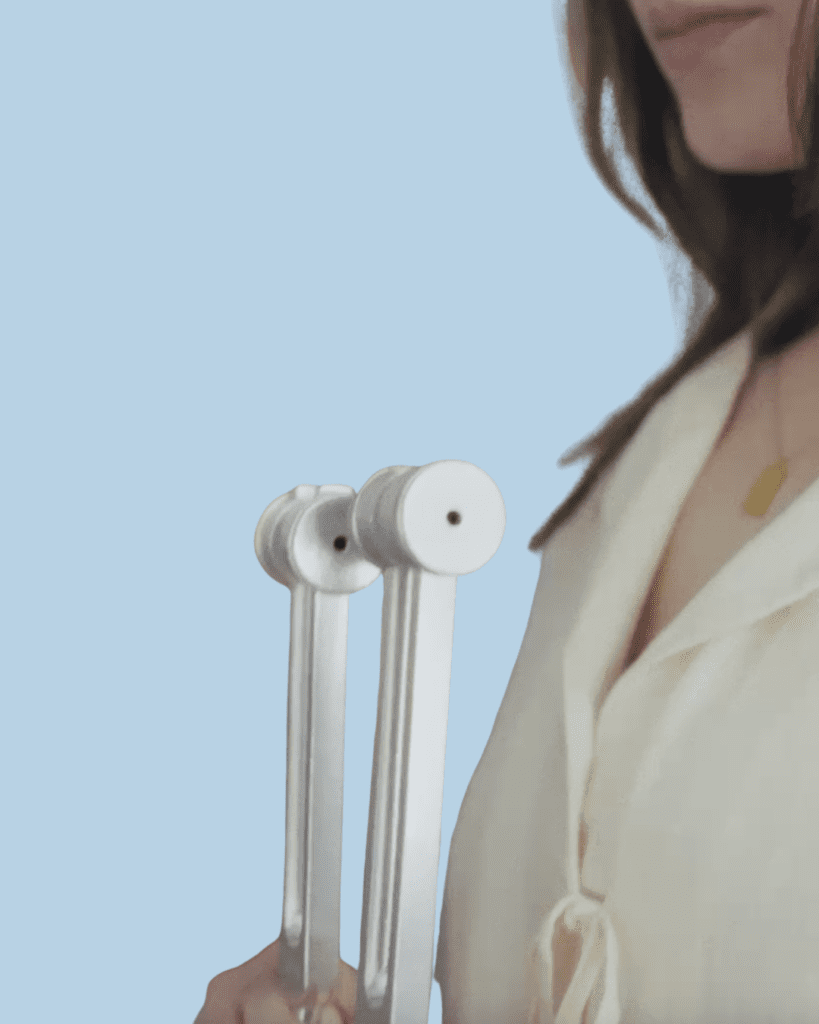

You’ve invested in your first tuning fork, you’re excited to begin your sound healing journey… then the questions start.
“Am I using it correctly?”
“Why doesn’t it sound like the videos?”
“Should I have bought a different frequency?”
If this sounds familiar, you’re not alone. Almost everyone new to tuning forks has lots of questions and thoughts when they’re getting started. The good news is that with a little guidance you’ll gain confidence quickly.
Here are the seven most common beginner mistakes and how to avoid them.
One of the biggest mistakes beginners make is purchasing inexpensive tuning forks from online marketplaces simply because they appear to be a bargain.
Not all tuning forks are created equal. The quality of the metal, manufacturing process and accuracy of the frequency all influence the vibration and tone produced. Poorly made tuning forks may not resonate consistently, can lose their tone quickly, or simply don’t provide the experience you’re expecting.
A quality tuning fork is an investment in your wellbeing. Professionally manufactured forks produce a clearer, longer-lasting vibration and are designed to provide reliable performance for years to come.
When purchasing your first tuning fork, choose a trusted supplier that specialises in sound therapy rather than selecting the cheapest option available.
It’s easy to think that more tuning forks will produce better results.
In reality, owning twenty tuning forks doesn’t automatically create twenty times the benefit.
Many experienced practitioners use just a handful of tuning forks every day because they’ve developed confidence in knowing how and when to use them.
Rather than purchasing multiple frequencies all at once, begin with one or two tuning forks that align with your goals. As your understanding grows, you’ll naturally discover which additional frequencies complement your practice.
Mastering one tuning fork is far more valuable than owning a collection you rarely use.
One of the most important mindset shifts in sound wellbeing is recognising that tuning forks aren’t designed to “fix” people.
Instead, they are used to support relaxation, encourage balance and assist the body’s own natural processes.
Approaching each session with curiosity rather than expectation creates a much more positive experience.
Think of tuning forks as creating an environment where the body and mind can relax, rather than trying to force a particular outcome.
Many beginners purchase a tuning fork without learning how to use it effectively.
While tuning forks are wonderfully simple to begin using, a little education can make a remarkable difference to your confidence and experience.
At SonoKi, we’ve created several beginner-friendly resources to help you get started.
Our Tuning Forks for Self Use Workshop provides step-by-step guidance so you can confidently use your tuning forks as part of your self-care routine.
You can also explore our growing library of free educational videos on the SonoKi YouTube Channel, where Amanda Mackay shares practical demonstrations, beginner tips and techniques.
Learning from experienced practitioners helps you build good habits from the beginning.
One of the most common questions beginners ask is,
“How hard should I strike the tuning fork?”
The answer is: much gentler than most people think.
Hitting a tuning fork too hard can create an unpleasant metallic sound and may reduce the quality of the vibration.
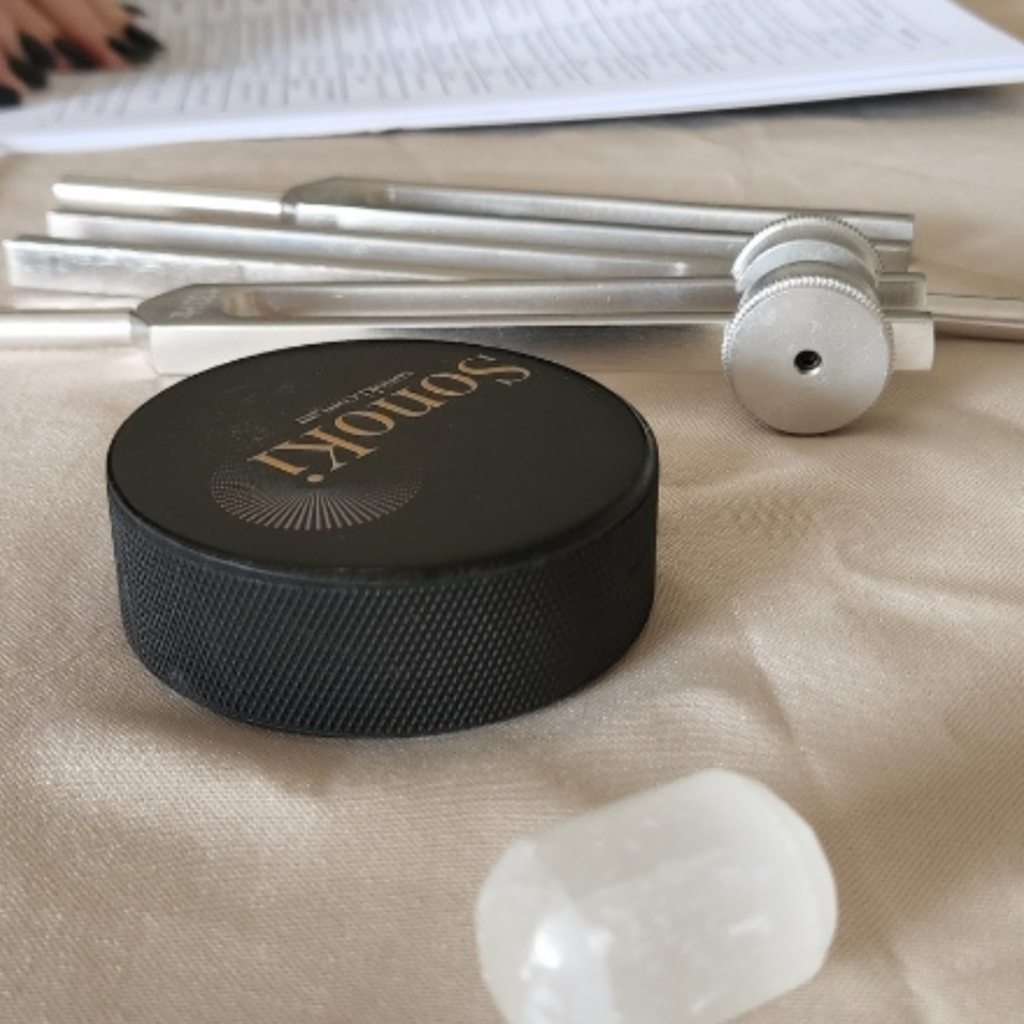
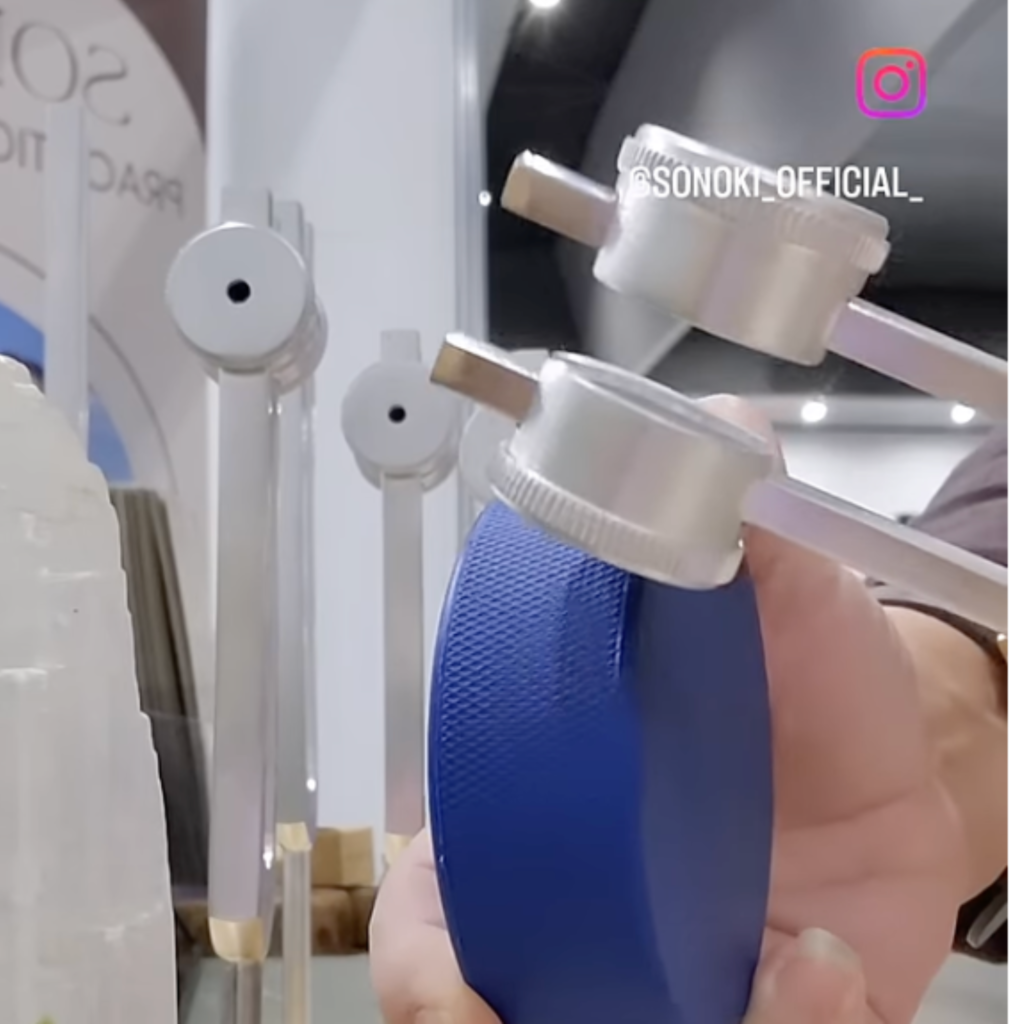
Instead, activate your tuning fork using an appropriate activator with a firm but gentle tap.
If you’re unsure whether you’re doing it correctly, watch the demonstration videos on the SonoKi YouTube Channel where we show exactly how to activate weighted and unweighted tuning forks safely and effectively.
A gentle strike creates a beautiful, long-lasting resonance.
Many people expect to use their tuning fork once and immediately experience lasting results.
Like meditation, mindfulness or gentle movement, consistency is far more valuable than intensity.
You don’t need an hour every day.
Just a few minutes every couple of days can become a calming ritual that supports relaxation, mindfulness and overall wellbeing.
The key is creating a habit that feels achievable and enjoyable.
Even short, regular sessions allow you to become more familiar with the vibration and develop confidence in your practice.
Your tuning fork is a precision instrument and should be cared for accordingly.
Avoid cleaning it with chemical sprays, disinfectants or abrasive cleaners, as these can damage the finish over time.
Instead, simply wipe your tuning fork with a soft, dry or slightly damp cloth after use.
It’s also important to avoid:
Leaving your tuning fork in direct sunlight for extended periods.
Storing it outdoors or exposed to the elements.
Placing it on surfaces that have recently been cleaned with chemical products, as residue may transfer onto the metal.
Taking a few moments to care for your tuning fork will help keep it looking and performing beautifully for years.
As you begin working with tuning forks, keep these simple tips in mind:
Start with one or two quality tuning forks.
Use the correct activator and avoid striking too hard.
Follow beginner-friendly guidance from trusted educators.
Practise regularly, even if it’s only for a few minutes.
Keep your tuning forks clean and stored safely.
Always use tuning forks within their intended purpose and follow any safety guidelines provided by your practitioner or educator.
Building confidence takes practice, and every session is an opportunity to become more familiar with sound and vibration.
For most beginners, using your tuning fork for just a few minutes every couple of days is enough to establish a consistent self-care routine.
No. Many people begin with a single tuning fork and gradually expand their collection as they gain experience and discover new areas of interest.
Often, the tuning fork has been activated too softly or on an unsuitable surface. Using the correct activator with a gentle strike produces a cleaner, longer-lasting tone.
Store your tuning fork in a dry place away from prolonged sunlight, moisture and chemical residue. Wiping it with a soft cloth after use will help maintain its finish.
Learning to use tuning forks doesn’t need to be complicated. With quality instruments, the right guidance and regular practice, you’ll quickly build confidence and enjoy incorporating sound into your wellbeing routine.
If you’re ready to deepen your understanding, explore the SonoKi Tuning Forks for Self Use Workshop, a comprehensive online course designed specifically for beginners. You’ll learn how to confidently use tuning forks at home with practical demonstrations and easy-to-follow lessons.
You can also subscribe to the SonoKi YouTube Channel, where you’ll find free tutorials, activation demonstrations and educational videos to support your learning.
Every experienced practitioner started exactly where you are now—with a single tuning fork and a willingness to learn. Your sound healing journey begins with that very first vibration.